Damage to Cells During Production
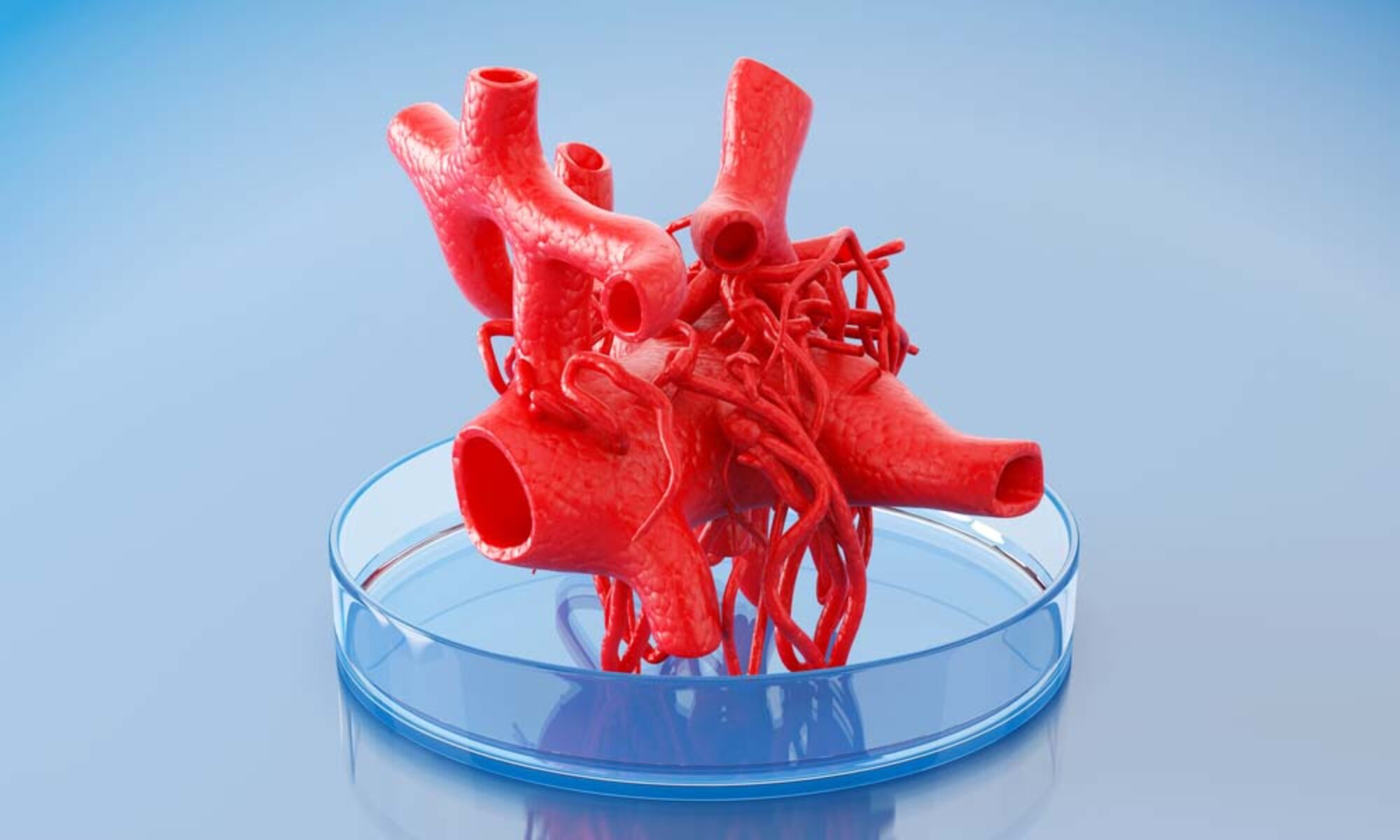
The 3D printing process puts a lot of strain on cells, from tiny nozzles to extremely pressured, nutrient-deficient conditions. Unfavorable circumstances can impair the artificial organ’s general performance and cause cell damage or even death. Building buildings at scale increases the difficulty of maintaining living cells since it takes more resources to “feed” a living creature.
Low-Quality Printers
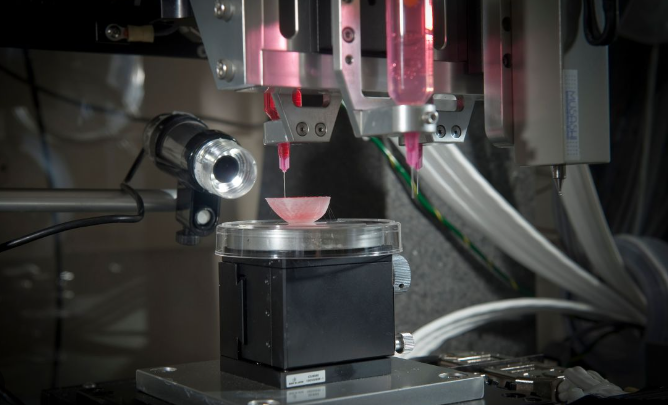
The original purpose of 3D printing was to create metal and plastic components quickly for prototyping. In this sense, bioprinting has always involved repurposing technology to make things out of human flesh through reverse engineering. The machines of today are not able to print at the optimal viscosity and high resolution needed to replicate intricate structures that maintain their shape.
Biomaterials Are Limited in Availability
The dearth of biomaterials accessible is one reason why biomimetic tissues have not yet been fully replicated by traditional tissue engineering. There are a few bio-inks that meet the physicochemical conditions needed for 3D printing to be successful, despite the fact that researchers are able to identify workarounds through a variety of approaches. The most recent development in biocompatible, printable, and mechanically viable feedstocks has been the use of hydrogel additives.