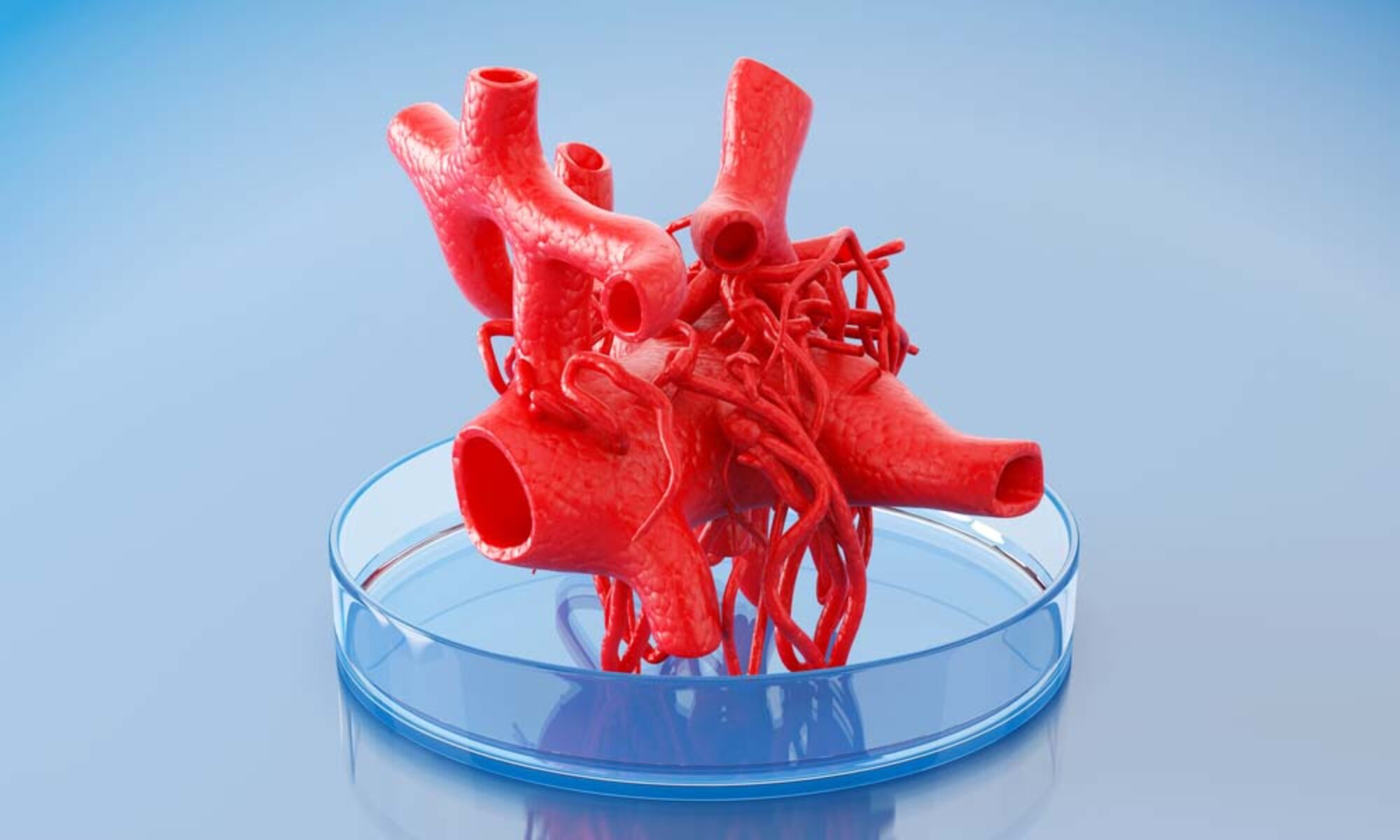
In summary, bio-ink, a biological combination, is used to create 3D-printed organs. Biopolymer hydrogels, such as gelatin or alginate, are typically combined with cultivated cells to form bio-ink, which helps build organ scaffolds and preserves living cells during printing.
This is how Niina Matthews, a PhD candidate at the University of Technology Sydney’s Gentile Lab, put it: Consider bio-ink as the ink found in a cartridge and a 3D bioprinter as an inkjet printer. Rather than producing distinct colors for every cartridge, they extrude biomaterials capable of simulating several organs.
From there, researchers remove the patient’s stem cells, or “blank” cells with no particular purpose. These cells undergo a process called cell differentiation that makes them specialized to perform a certain task.
According to Matthews, “a specific bio-ink must be developed to suit their exact requirements, since all the organs in the body consist of several cell and tissue types.” “Cells organize into various tissues, and an organ is the final product of tissues being put together.”