Possibility of Tailoring Organs to Individual Patients
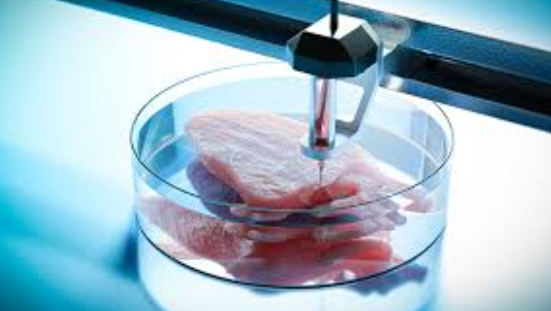
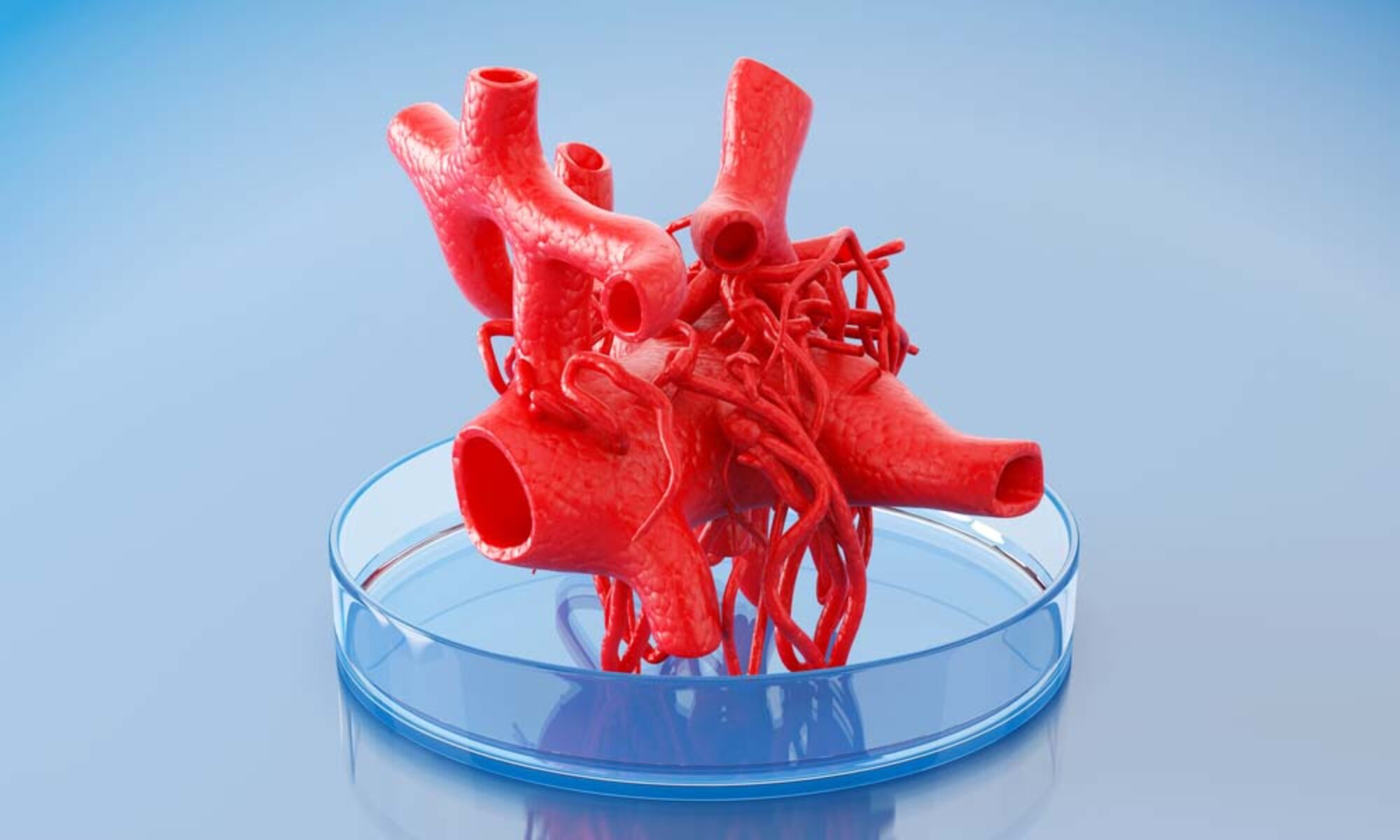
Organs that are 3D printed are made from patient-derived stem cells. These cells are trained to perform extremely specialized functions in the body through a process called cell differentiation, which enables researchers to more quickly and widely administer medicines that are patient- and organ-specific.
No Reason to Hold Off on Donating an Organ
17 people perish every day while awaiting an organ transplant. Additionally, a new applicant is added to the waiting list every ten minutes. high contrast to the current situation of waiting years for access, access to these high-demand organs might theoretically be obtained in a matter of hours, days, or a few weeks if 3D bioprinting were widely available.
Decreased Rejection of Organs
The possibility that a patient’s immune system may identify a 3D-printed organ as its own rather than a foreign object would potentially increase since 3D-printed organs are made from the patient’s own DNA. There would be a considerable decrease in organ rejection cases as a result.
Reduced Medical Expenses
A kidney transplant typically costs $442,500 before insurance pays for it. Charges for procedures like hearts that necessitate an extended hospital stay soar to $1.6 million. Professional-grade bioprinters, on the other hand, may be purchased for as little as $25,000 and are utilized to create 3D-printed organs and living human tissues. Even though surgical and hospital room and board charges are not included, experts believe this might be a more affordable option.
Reduced Use of Animals in Testing
Because human DNA is similar, medications, therapies, and procedures are frequently tested on animals for safety and efficacy before being put on the market. The ideal replication of human tissues created from human cells is called bioprinting. Cosmetics giant L’Oreal and San Diego-based bioprinting startup Organovo collaborated in 2015 to 3D print skin sample swatches for product testing. The company genuinely started farming derma in the 1980s, generating 100,000 skin samples annually, and they state on their website that they have fully stopped using animals for research.